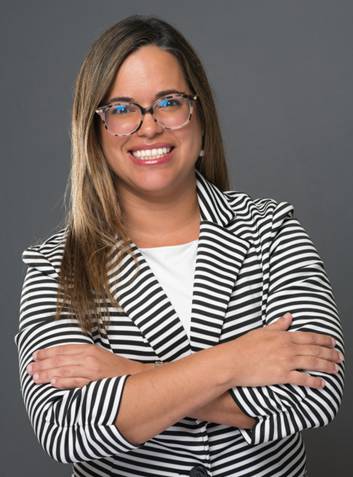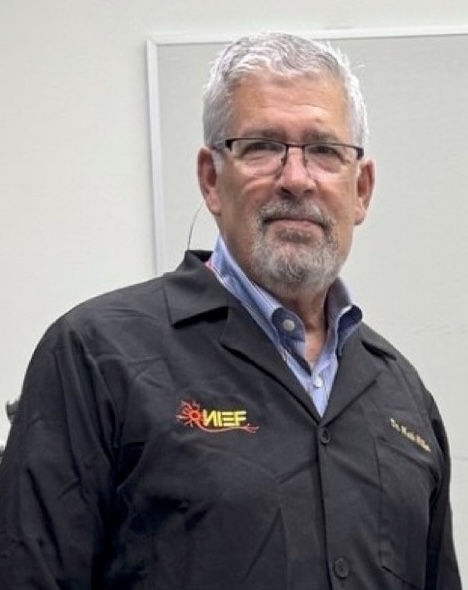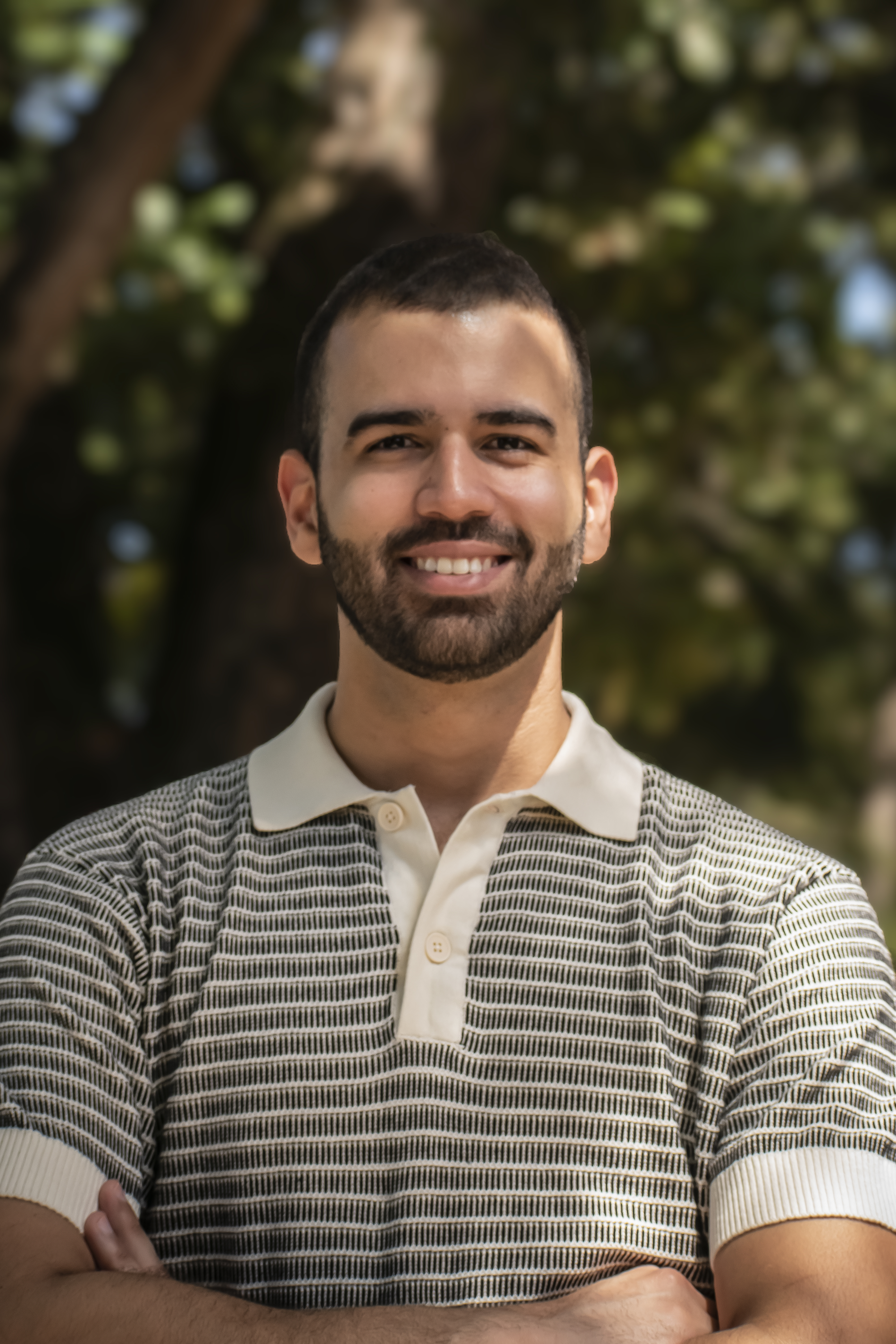
Roberto Rodríguez, Ph.D.
- Instagram de su laboratorio: @brainsinthedark
- ORCID ID: 0000-0002-7716-1342
- LinkedIn: https://www.linkedin.com/in/roberto-rodriguez-morales/
Biography
Dr. Roberto Rodríguez is an Assistant Professor in the Department of Anatomy & Neurobiology at the University of Puerto Rico (UPR) School of Medicine. His research explores the mechanisms underlying social behavior adaptation using fish models. He earned his PhD in Anatomy at the UPR School of Medicine, where he investigated genetic mechanisms of sensory system regeneration in zebrafish, applying advanced tools such as CRISPR/Cas9 genome editing.
As a postdoctoral fellow at Lehigh University under the mentorship of Dr. Johanna Kowalko, Dr. Rodríguez examined the repeated evolution of aggressive behavior in the blind Mexican cavefish, Astyanax mexicanus. His contributions as a trainee have been published in journals including Zebrafish, Gene Expression Patterns, and BMC Ecology and Evolution.
In 2023, Dr. Rodríguez returned to UPR to establish his independent laboratory, focused on the intersection of sensory system function and social behavior in A. mexicanus. His program has been supported by multiple awards, including pilot project grants from the RCMI and COBRE Neuroplasticity Center at UPR, as well as an NIH R16 SuRE-First award from the National Eye Institute. He now also leads a research project within the Puerto Rico Center for Microbiome Sciences (COBRE Phase I), investigating how gut microbiome diversity shapes social behavior in cavefish. His mentor is Dr Riccardo Papa a Professor of Evolution at UPR Rio Piedras.
Keywords
- Mechanisms underlying sensory system adaptation (microbiota diversity, genetic diversity, etc.)
- Sensory system plasticity (lateral line)
- Sensory system regeneration (lateral line)
Project summary
Social behaviors are a hallmark of life across the animal kingdom, from insects like flies and ants to vertebrates such as fish, amphibians, rodents, and humans. Yet, the display of these behaviors varies widely: some species live in complex societies, while others are solitary. Even within the same species, populations may differ in how social they are. A striking example is the Mexican tetra (Astyanax mexicanus), which exists as two forms—highly social, river-dwelling surface fish and blind, cave-dwelling fish that have largely lost social behaviors. Our lab is interested in uncovering the biological mechanisms that drive this repeated loss of sociality in cavefish populations.
One of our central projects, supported by the Puerto Rico Center for Microbiome Sciences, investigates how gut microbiome diversity influences social behavior adaptation. Using a resident–intruder assay, we focus on aggression and social hierarchy formation to address two key questions: (1) Do dietary changes or microbiome imbalances alter social dynamics in surface and cavefish? (2) Are specific microbiome signatures linked to dominance, subordination, or aggression? This work will clarify how the gut microbiome contributes to both social and asocial phenotypes in a unique natural model.
In parallel, we study how blind cavefish have adapted through expansions of the mechanosensory lateral line—a superficial system of hair cells similar to those of the vertebrate inner ear. By investigating the developmental mechanisms that drive these expansions, we aim to identify genetic factors that promote sensory growth and test whether such compensations also influence social behavior.
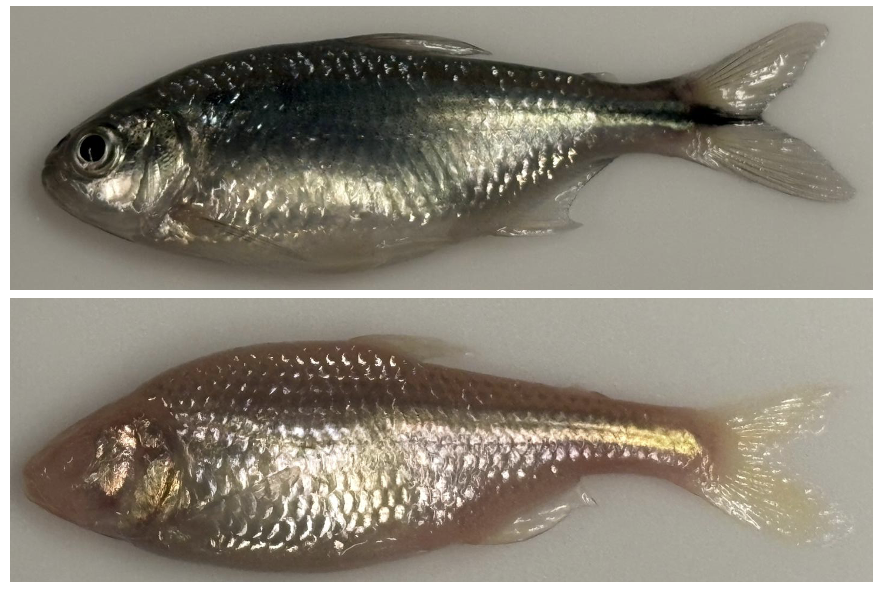
Fig. 1. The Mexican tetra, Astyanax mexicanus is a vertebrate fish that exists as two morphotypes: ancestral surface fish (top), and at least 30 populations of cave-adapted, blind cavefish (bottom).
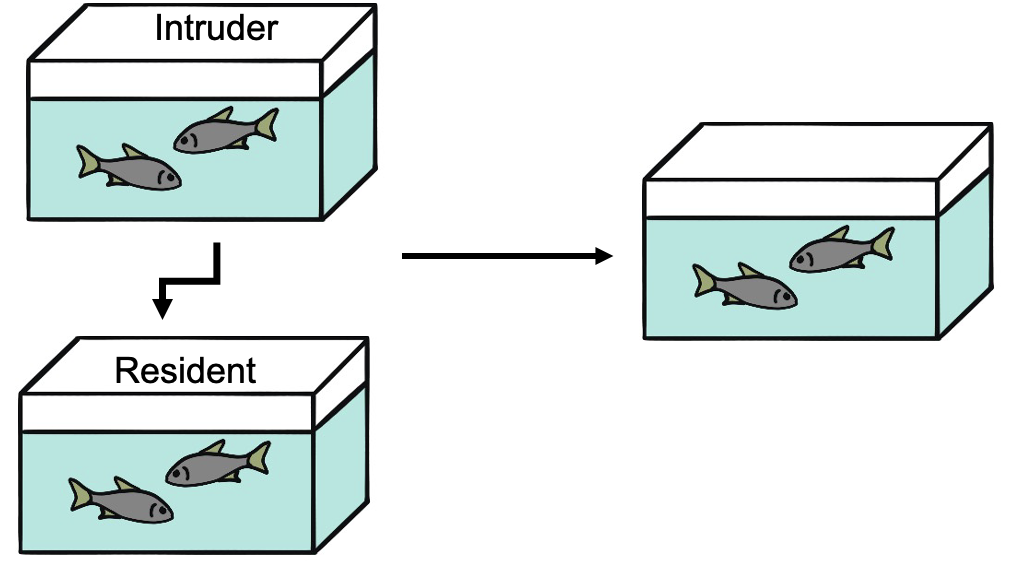
Fig. 2. The resident-intruder assay is used to quantify aggressive interactions in fish dyads of the Mexican tetra.
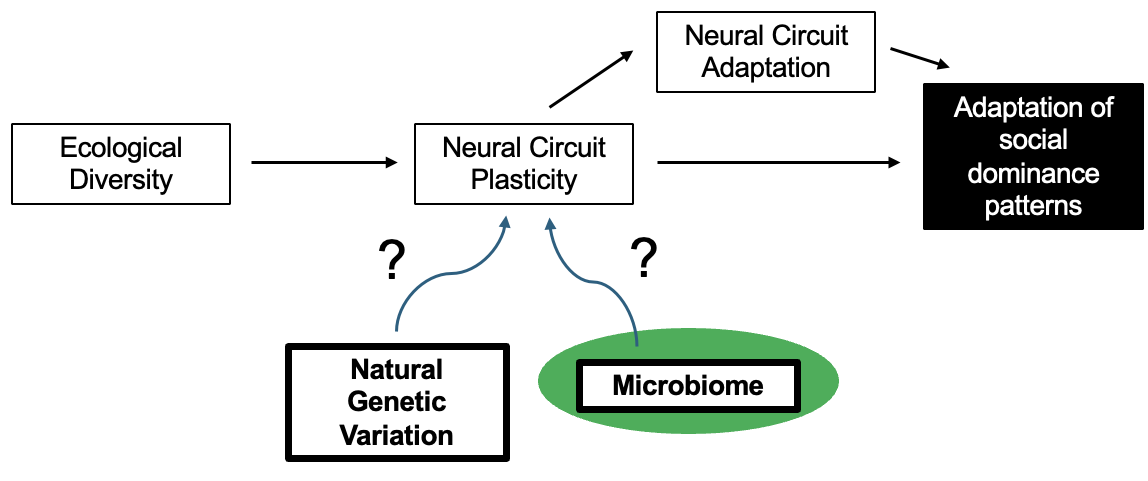
Fig. 3. The mechanisms underlying social behavior adaptation are multifactorial, including natural genetic variation, and potentially gut microbiome diversity.
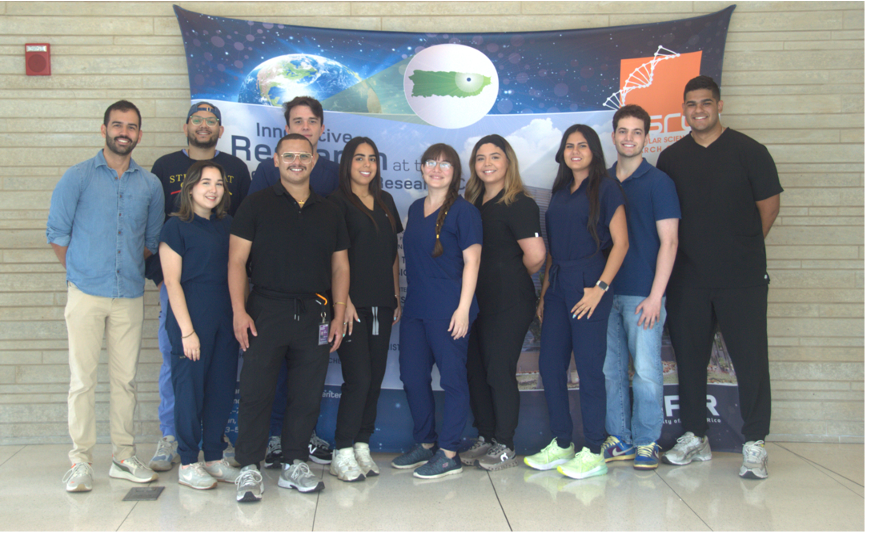
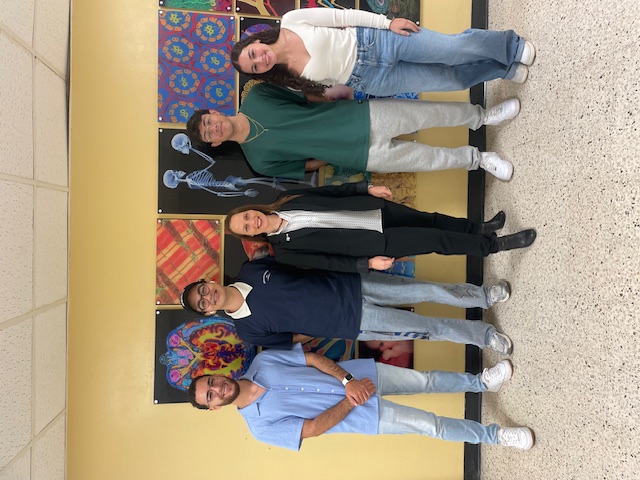
Meet Roberto’s Team:
Fabiola Pagán-Torres – This email address is being protected from spambots. You need JavaScript enabled to view it. - GRADUATE
Alana del Coral López-Cruz – This email address is being protected from spambots. You need JavaScript enabled to view it. - GRADUATE
Dhalma Bayron-Ho – This email address is being protected from spambots. You need JavaScript enabled to view it. - GRADUATE
Julián Navarro-Pagán – This email address is being protected from spambots. You need JavaScript enabled to view it. - GRADUATE
Angel Márquez-Otero – This email address is being protected from spambots. You need JavaScript enabled to view it. – LAB TECHNICIAN
Paola Figueroa – This email address is being protected from spambots. You need JavaScript enabled to view it. - UNDERGRADUATE
Alexander Figueroa – This email address is being protected from spambots. You need JavaScript enabled to view it. - UNDERGRADUATE
Luis Perez – This email address is being protected from spambots. You need JavaScript enabled to view it. - UNDERGRADUATE
Sofia Cuevas – This email address is being protected from spambots. You need JavaScript enabled to view it. - UNDERGRADUATE
Jamilette Crespo – This email address is being protected from spambots. You need JavaScript enabled to view it. - UNDERGRADUATE
Carlos Gonzalez – This email address is being protected from spambots. You need JavaScript enabled to view it. - UNDERGRADUATE
Homar Cardona – This email address is being protected from spambots. You need JavaScript enabled to view it. - UNDERGRADUATE
Adrian Rivera – This email address is being protected from spambots. You need JavaScript enabled to view it. - UNDERGRADUATE
Axel Rodriguez – This email address is being protected from spambots. You need JavaScript enabled to view it. - UNDERGRADUATE